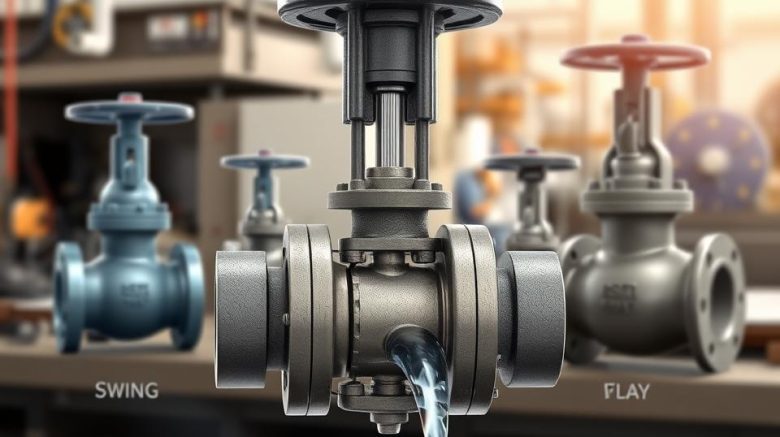
Double Ball Check Valve: Your Ultimate Guide
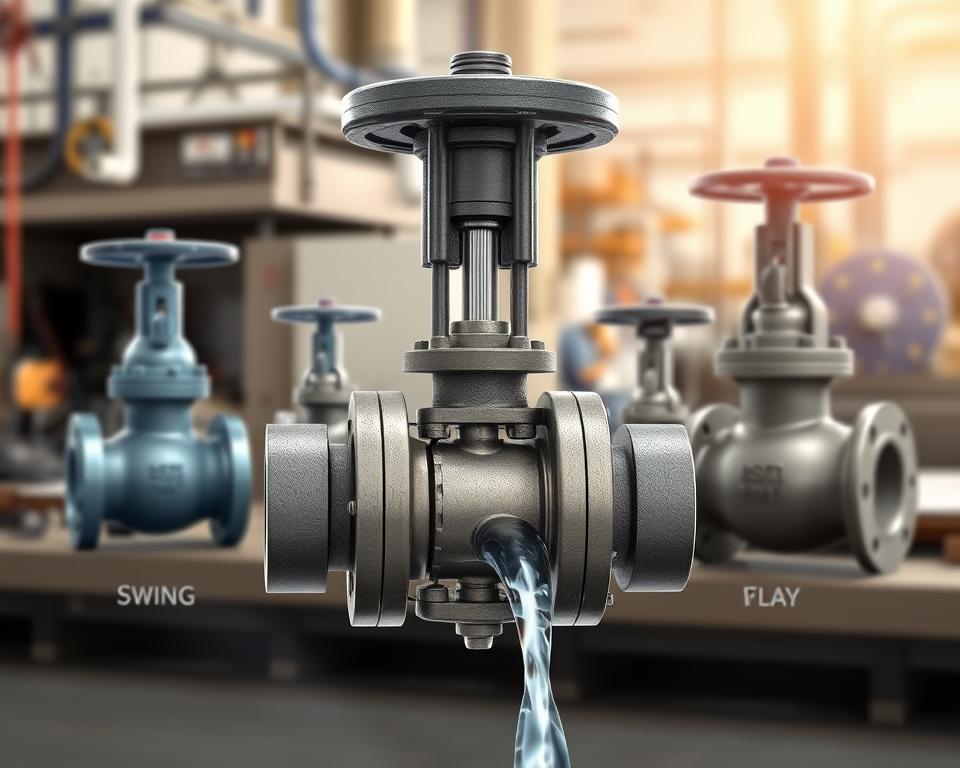
Among fluid control devices, the double ball check valve stands out as a high-performance way to halt reverse flow. It improves sealing reliability across multiple piping and pump system layouts. Utilizing a dual-ball design, it ensures a robust sealing action that mitigates backflow. In addition, it helps shield pumps from damaging water hammer and surge pressures.
Operating autonomously, barbed check valve enable fluid movement in one direction and automatically close to prevent backflow once the pump ceases. In municipal, water, wastewater, and industrial settings, choosing the right fluid control valve can yield substantial energy savings. This is achieved by minimizing head loss, thereby reducing the overall maintenance and energy costs. The total cost of ownership encompasses initial purchase, installation expenses, ongoing energy consumption, and maintenance costs, balanced against the valve’s ability to protect critical equipment.
Here you’ll find a detailed comparison of check valve types, with specific focus on how double ball valves are constructed and what benefits they offer. It offers insights on choosing, installing, and maintaining these valves effectively for U.S. consumers. Additional sections will reference standards like ANSI and UPC while calling out small-line configuration options. We will also explore terms such as 3/8 compression check valve, 3/8 barbed check valve, and ASSE 1032. The guide additionally addresses wholesale buyers and distributors—such as Installation Parts Supply—within the sourcing section.
Core Points
- Compared to many single-ball designs, the double ball check valve offers improved sealing and reliability.
- By stopping reverse flow and limiting pressure surges, check valves safeguard pumps and piping.
- The choice of valve directly impacts energy consumption and total cost of ownership in water and industrial systems.
- Standards such as ANSI and UPC provide guidance on sizing and performance for U.S. installations.
- Small-line options including 3/8 barbed check valves and ASSE 1032 components are widely used in low-flow applications.
Understanding check valve types and where a double ball design fits
Check valves are critical components for stopping backflow in pumping systems. Common categories include lift, swing, and dashpot-assisted styles, each addressing particular water and wastewater management requirements. A double ball configuration offers a compelling option, combining key features for efficient operation. This discussion aims to clarify how different check valves, including double ball designs, function in practice.
Overview of Common Check Valve Categories
You’ll find lift check valves in formats like ball checks, silent checks, and nozzle-type designs. Known for their simplicity and cost-effectiveness, these designs excel in small-scale applications. They are identifiable by the absence of external moving parts, which makes them well-suited to smaller pumps. By contrast, swing check valves are better suited to larger pipelines and offer advantages such as minimal head loss and customizable features for extensive systems.
In dashpot-assisted check valves, an oil dashpot moderates the closing action to help control water hammer. The result is a controlled, softer closing motion that enhances system longevity and performance.
How Ball Check Valves Operate and the Benefits of the Ball Design
In ball check valves, a ball lifts off its seat to let fluid flow and returns to the seat to prevent backflow. The design is inherently self-cleaning, as the ball’s motion across the seat removes debris, an advantage in wastewater applications. Full bore models further reduce head loss and simplify maintenance, especially where top access is provided.
Where double ball design compares to single ball and other types
Single-ball designs are popular in small pumps and wastewater applications because of their compact footprint and strong self-cleaning action. However, in high-head or parallel pump systems, the ball’s momentum can make single-ball valves prone to slamming. The double ball variant counters these challenges by keeping benefits like compactness and full bore flow yet improving sealing and reliability with a dual-seal arrangement.
| Attribute | Lift (ball/nozzle/silent) | Swing Check | Dashpot-Assisted | Double-Ball Design |
|---|---|---|---|---|
| Typical use | Small pumps and wastewater duties | Large mains where low head loss is needed | Pumped systems requiring controlled closing behavior | Small to medium discharge lines where redundancy is desired |
| Non-Slam Characteristics | Variable; nozzle and silent styles typically offer good non-slam performance | Can slam unless fitted with accessories | Excellent; closure is slowed to roughly 1–5 seconds | Better than single-ball; staged closing action helps cut slam risk |
| Head loss | Low for full bore; higher for small-seat designs | Very low once fully open | Low in normal flow; controlled closure phase adds protection | Full bore options keep head loss low |
| Sealing and Reliability | Simple sealing; some lack open/close indication | Proven seals; visual indicators possible | Good sealing along with controlled motion | Dual seals and redundancy enhance leak resistance |
| Maintenance | Low; self-cleaning mechanism helps in solids | Routine hinge or seat checks | Needs periodic maintenance of dashpot assembly | Low–moderate; dual seats usually serviceable via top access |
| Ratings and Markings | Typically marked with PN, PSI, CWP, and SWP for selection | Often available with AWWA or ANSI compliant ratings | Specified for system pressure and dashpot sizing | Supplied in CWP/SWP ratings that align with desired pressure classes |
Choosing the right check valve depends on the fluid, the flow behavior, and overall cost considerations. Ball check valves are notably advantageous for handling raw wastewater, thanks to their self-cleaning capability. In larger setups, swing valves are prevalent for their efficiency and standard compliance with AWWA and ANSI.
A comparison between double ball and single ball designs reveals notable differences. The double ball configuration provides enhanced sealing and reduced slam risk, making it suitable for compact settings. Against other models, it offers quicker closure without sacrificing seal integrity.
For any industrial valve specification, it’s critical to scrutinize material capabilities, markings for pressure standards, and relevant certifications. Doing so ensures the chosen valve is suited to the operational demands of the target application.
Double Ball Check Valve Overview
The double ball check valve uses two balls inside a single housing to provide staged sealing and smooth flow. Here we highlight the main components, performance characteristics, typical applications, and standards for this valve. It aims to assist users in selecting the appropriate high-performance valve.
What a Double Ball Check Valve Is and Its Core Components
This type of valve is a lift-style double ball check valve, using two balls in one body to enhance sealing. Core parts include the body, balls, seats, a guide or cage, and optionally springs to assist movement. Based on the specific application, the seats might be manufactured from resilient elastomer or metal. Valve body material ranges from brass and PVC for lighter duties to stainless steel and bronze for heavier-duty service. Some models are designed with convenient top access for maintenance.
Key Performance Traits and Benefits
Because it has redundant sealing, this valve lowers the risk of leakage relative to single-seat designs. Its dual-ball configuration helps mitigate water hammer and provides non-slam behavior in many system arrangements. If properly sized to reduce blockage risk, it provides low head loss and efficient operation. This, in turn, contributes to lower energy expenses where flow resistance is a concern.
Typically, the balls roll along the seats, helping to self-clean lines that handle wastewater or solid-laden flows. Thanks to its simple design and few moving parts, the valve is both compact and demands low upkeep. Although performance is generally high, it may not be as quiet as certain nozzle check valves in all installations.
Typical Applications and Industries Served
You’ll commonly find this valve in pump discharge lines, municipal/industrial wastewater operations, and OEM equipment. In plumbing and HVAC applications, barbed check valve variants are often preferred for flexible connectivity. The food and beverage and chemical sectors often utilize stainless steel or sanitary models that comply with industry standards.
Industries such as municipal services, building management, manufacturing, and food production benefit from using this valve. They choose this valve because it is space-efficient, cost-effective, reliably sealed, and generally low maintenance.
Valve Sizing, Pressure Ratings, and Standards
Selecting the correct size is crucial to match pump discharge rates and maintain optimal flow velocity. It’s important to refer to manufacturer specifications for head loss and valve performance insights. On small lines, 3/8 inch sizes with barbed or compression ends can be used for a range of hose applications.
Rating schemes include PSI and PN classes plus CWP and SWP tags that reflect temperature variations. For backflow prevention in plumbing and commercial systems, compliance with asse 1032 is recommended. Other standards include ANSI, UPC, and UL for general compliance, with AWWA guidelines applying to larger water or wastewater systems.
| Key Attribute | Common Options | When to Select |
|---|---|---|
| Valve Body Material | Brass, PVC, stainless steel, bronze | Match chemical compatibility and pressure needs |
| Core Components | Balls, seating surfaces, guide/cage, optional spring elements | Choose resilient seats for sealing, metal seats for abrasion |
| Connection types | Threaded, flanged, wafer, 3/8 barb check valve, barbed check valve | Choose based on your specific piping/tubing configuration |
| Key Performance Features | Trustworthy sealing, non-slam performance, low head loss | Important where protecting pump discharge and reducing energy costs is critical |
| Standards & Approvals | ASSE 1032 plus ANSI, UPC, UL, AWWA where applicable | Used to satisfy requirements in plumbing, commercial, and municipal installations |
| Pressure / Temperature | PSI and PN ratings plus CWP and SWP markings | Check against expected system pressure and temperature ranges |
Selection Criteria and Installation Considerations for Reliable Operation
Choosing the ideal industrial valve demands understanding certain criteria. Start by evaluating the fluid for solids content, abrasiveness, and possible chemical reactions to determine suitable materials. Study Kv/Kvs or flow coefficients to foresee possible head loss and its energy effects. Consider anti-slam features on systems that cycle frequently or experience pressure spikes. In your evaluation, include total ownership costs, covering purchase price, installation needs, support structures, and ongoing upkeep.
Key selection factors
Match your valve selection to the characteristics of the media and the operating conditions. For potable water systems, confirm compliance with ASSE 1032 or ANSI/UPC/UL standards and verify PSI limits. In case of treated water or sewage, consider ball check valves, but seek alternative solutions for untreated sewage with solid waste. Use flow metrics to avoid choosing valves that are oversized, as this can cause chatter or incomplete opening. Review the valve’s closing characteristics in the manufacturer’s data to avoid potential slamming issues.
Installation Best Practices
You can prevent many check valve problems by following proven installation practices. Make sure there is enough straight piping before and after the valve; smaller sizes still benefit from 3–5 pipe diameters upstream. Plan sufficient space for the valve, including installation clearance and supports, especially for heavier models. For small-line check valve tasks, always fully insert hoses and secure with clamps when using barbed fittings.
A practical checklist for small-line fittings
- For 3/8 compression check valve installation, tighten to the recommended torque to prevent distortion and leaks.
- For barbed check valve setups, ensure hoses and clamp sizes are matched correctly to the 3/8-inch configuration.
- Verify flow direction for lift-style ball checks; they must be oriented correctly to the flow and be appropriate for gravity-based installations.
Avoid common problems
Two of the most frequent valve issues are slam and chattering. Address slam by incorporating spring-assisted closures, dashpot systems, or by tuning pump speeds with a VFD. Prevent chattering by maintaining flow velocities within recommended ranges and choosing valves that are properly sized. Perform regular checks for leakage or wear, listen for odd noises, and implement preventative maintenance routines. Avoid jams by keeping the flow path clear—a job that ball-type designs frequently handle well.
Small-Line Variants and Service Notes
There are many options for small-line check valves, including different 3/8 inch models. Compression designs offer tight seals for critical duties such as instrumentation, heating/cooling loops, and beverage lines. Barbed versions enable quick hose connections but require careful clamp selection and routine inspection to prevent leaks. In backflow prevention or potable water applications, make sure the valve satisfies ASSE 1032 criteria.
Maintenance and operational planning
Effective maintenance schedules and operational oversight can minimize lifetime expenses. Use thread sealants and gaskets that match the fluid and material compatibility requirements of your system. Design installations so inline valves are easy to reach for maintenance, and record their locations and supports in system documentation. This approach combats frequent issues, promoting a longer lifespan for both minor and major valve setups.
Wholesale Maintenance, Troubleshooting, and Sourcing Guide
Regular care maintains the double ball check valves, ensuring systems run smoothly. Your maintenance plan should include visual checks as well as more detailed inspections. Documenting all findings is crucial. This documentation helps identify patterns of wear or blockages that can point to design or operational flaws.
Routine Inspection and Maintenance Tasks
Begin by visually inspecting for leaks, corrosion, and external damage. Use a stethoscope or similar tool to listen for internal leaks, particularly when pumps are shut down. Verify that the valve opens fully under flow and monitor for abnormal vibration or unusual sounds.
Examine the top access port of lift-style and double-ball valves for any wear or damage. Swap out any eroded rubber-coated balls or damaged seating surfaces. On smaller valves, check clamp and ferrule condition, and change out tubing that shows swelling or chemical damage.
Adjust maintenance frequency based on system duty and usage patterns. Wastewater and other high-solid systems demand more frequent inspections than cleaner water circuits. Keep track of usage for spring-assisted valves to manage wear and schedule replacements efficiently.
How to Troubleshoot Common Failures
Leaks through closed valves are generally due to seat erosion, blockages, or seal degradation. Disassemble, clean, and replace any faulty internals to ensure proper sealing.
Valve slam or high noise levels when the pump shuts off are usually caused by rapid deceleration. Employ dashpots, spring assists, or surge control devices, adjusting pump controls as necessary to mitigate these issues and protect the system.
Chattering and incomplete opening often indicate sizing errors or incorrect flow rates. Verify actual flow against the manufacturer’s specified operating range. Correcting mismatches may require changing valve size or adjusting the pump configuration.
Sticking or jammed balls frequently arise from debris buildup or incorrect internal spacing. Prevent future issues by flushing lines, cleaning internals, and installing strainers as needed.
Buying guide and where to source wholesale valves
When purchasing double ball check valves, consider size, material, pressure rating, and connection type. Make sure the valves meet ASSE 1032 and obtain Kv/Kvs data. Ask about installation requirements and how easily the valve can be accessed for future maintenance.
Look at overall cost instead of only comparing unit prices. Consider installation work, spare component costs, and long-term maintenance in your budget. For critical applications, obtain pilot samples for testing and negotiate support and spare parts in your volume agreements.
| Need | What to Request | Why it matters |
|---|---|---|
| Size & Connections | Nominal valve size and whether ends are flanged, threaded, wafer, or barbed | Ensures proper fit and reduces installation rework |
| Performance data | Kv/Kvs, closing time, cycle life | Used to avoid chattering and slam at real system flow rates |
| Materials and Ratings | PSI and PN ratings, CWP/SWP, and temperature limits | Prevents seat erosion and chemical damage by matching the media and conditions |
| Regulatory Compliance | ASSE 1032, ANSI, and AWWA certifications where applicable | Required for regulatory and sanitary applications |
| Service and Spare Parts | Information on repair kits, spare parts, and lead time commitments | Minimizes downtime and lowers lifecycle costs |
| Supplier Choice | Vendors such as Installation Parts Supply or major industrial valve distributors | Offers wholesale valves, technical datasheets, and bulk pricing |
Consider working with Installation Parts Supply for competitive pricing and technical support. Look for valve distributors and manufacturers with a reputation for high-performance products and proven testing processes. Request explicit compliance with standards like ASSE 1032 to get compatible, easily serviceable parts.
Conclusion and Final Recommendations
To conclude, the Double Ball Check Valve provides a compact, lift-style option. It combines redundant sealing with a self-cleaning characteristic. Well-suited to small and medium-line systems, it excels in applications that demand reliable sealing and minimal maintenance. The design significantly reduces backflow and minimizes seat wear, unlike single-ball options.
When choosing a valve, it is crucial to align material and size with the fluid’s properties and flow profile. Factor in head loss, energy consumption, and non-slam behavior. It is equally important to comply with standards like ASSE 1032, ANSI, and AWWA. Proper sizing and observing pressure/temperature ratings (PSI, PN, CWP, SWP) ensure optimal performance.
Long-term valve functionality is heavily affected by installation quality and maintenance. By following manufacturer guidelines for installation and scheduling regular inspections, you can prevent common issues like seat erosion. For bulk orders, consider contacting Installation Parts Supply. They offer competitive quotes, comprehensive datasheets, and expert support, ensuring products meet necessary certifications.
Ultimately, you should thoughtfully weigh costs, maintenance, and surge protection in any valve choice. Deciding between double ball, single ball, swing, nozzle, or dashpot-assisted valves affects lifecycle expenses and equipment safety. Opting for the right model guarantees the expected operational advantages and reliable sealing of advanced fluid control valves.