
Discover Professional Chiropractic Treatment & Adjustments
A Singapore-based graphic designer named Sarah struggled for months with ongoing lower back stiffness. From countless hours leaning over a desk, even everyday actions like carrying shopping bags were painful. Traditional remedies provided temporary relief, yet the pain kept coming back. Her breakthrough came when a colleague suggested exploring whole-body methods focused on spinal alignment and body mechanics.
Her experience reflects the growing interest in targeted care that fuses 19th-century principles https://www.chirotherapy.com.sg/services-and-treatments/chiropractic-treatment-tractions and contemporary science. Techniques once considered alternative now assist many people in addressing musculoskeletal concerns while promoting overall well-being. In Singapore’s dynamic environment, these approaches go beyond quick fixes—they foster durable bodily resilience.
Contemporary methods tackle multiple sources of discomfort through carefully calibrated, science-backed methods. From office workers to athletes, people discover how optimal joint function impacts daily life quality. These strategies don’t just mask symptoms—they help the body rediscover its natural balance.
Key Takeaways
- Current techniques combine time-tested principles with modern validation
- Focuses on addressing root causes rather than temporary symptom relief
- Supports whole-body wellness beyond specific discomfort areas
- Useful for typical concerns such as back tightness and limited joint motion
- Leverages the body’s natural self-repair abilities
Why Opt for Professional Chiropractic Treatment & Adjustments in Singapore
Singapore’s healthcare landscape distinguishes itself by rigorous protocols and individualized care. Local practitioners complete 5–7 years of specialized training, integrating classic methods and current biomechanical science. That depth of skill appeals to residents as well as visitors seeking lasting relief from movement-related discomfort.
Trusted Expertise and Proven Techniques
Leading clinics like NATRAHEA demonstrate Singapore’s commitment to quality care. With over a decade of experience spanning seven locations, their team has helped more than 100,000 people through data-informed care. Practitioners regularly update their skills through international certifications in:
- Protocols for spinal rehabilitation
- Low-risk correction methods
- Posture-optimization strategies
Person-Centered Care with Long-Lasting Outcomes
Each plan starts with thorough movement analysis and lifestyle review. Clinics emphasize trackable outcomes, reflected in more than 10k verified patient reviews. One office worker reported 80% reduction in neck stiffness after tailored sessions blending hands-on therapy with ergonomic guidance.
This individualized focus sustains improvements long past initial sessions. Regular progress tracking ensures methods adapt as bodies heal, producing durable gains in everyday comfort and movement.
An Overview of Professional Chiropractic Treatment & Adjustments
Picture rising without the familiar shoulder ache from long computer sessions. This reality begins with understanding how musculoskeletal health impacts every movement and sensation.
A Holistic Approach to Pain Relief and Wellness
Targeted approaches address underlying drivers rather than surface signs. Focusing on spinal alignment and joint mechanics helps restore natural balance. Such a strategy supports neural communication and improves self-repair ability.
Core elements include:
- Detailed assessments of posture and movement patterns
- Light adjustments that improve joint freedom
- Tailored plans that integrate manual care and habit guidance
Rather than quick fixes, this philosophy explores how misalignments influence overall health. Proper alignment reduces inflammation and helps prevent recurring issues like sciatica or stiff joints. Many patients note improved sleep and higher energy in addition to less pain.
Regular sessions maintain these benefits while promoting long-term wellness. The aim is more than relief—helping you move freely and live fully, whether typing at desks or chasing kids at playgrounds.
How the Spine Connects to Overall Health
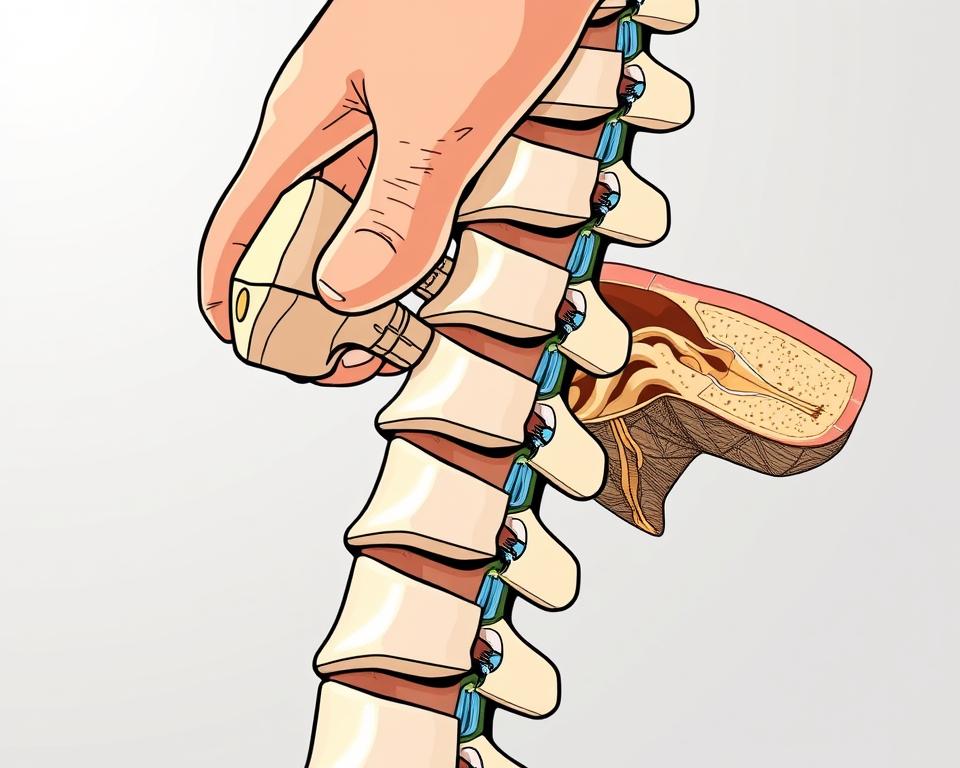
Consider how a single misaligned vertebra could affect your entire body. Your spine serves as structural support and as protection for the central nervous system—the master control network governing everything from breathing to digestion. When properly aligned, it ensures seamless communication between your brain and body.
Effects on the Nervous System
The nervous system functions like a fast data highway. Vertebral shifts form bottlenecks in the pathway, disturbing the signals controlling crucial functions. Even minor shifts can lead to:
- Pinched nerves altering organ performance
- Tension patterns in muscles that disrupt motion
- Decreased circulation to key tissues
Gentle corrections help remove these obstructions, helping your body self-regulate well. Evidence points to enhanced nerve signaling after alignment-focused treatment.
Why Proper Posture Matters
Singapore’s desk-bound workforce faces unique challenges. Hunching over laptops or peering down at phones adds cumulative stress to spinal tissues. With time, this may:
- Nudge vertebrae out of ideal placement
- Reduce core stabilizer strength
- Accelerate joint wear-and-tear
Everyday tweaks can matter. Adjust screen height, stand each hour, and include https://www.chirotherapy.com.sg/services-and-treatments/pregnancy-chiropractic-care chin tucks on commutes. Such habits support the spine’s natural curvature—the basis for sustained physical wellness.
By prioritizing spinal care, you’re not just addressing back discomfort. You protect the primary body communication network, improving your resilience in Singapore’s energetic urban setting.
Science Behind Chiropractic Adjustments
How do precise spinal corrections help more than briefly? Research reveals how targeted interventions influence both biology and mechanics. Findings indicate these methods trigger natural healing and restore balance.
Pain-Relief Mechanisms
When joints shift out of position, they irritate nerves and trigger inflammation. Careful corrections interrupt the cycle by:
- Encouraging endorphin release to dampen pain
- Lowering pressure on sensitive nerve roots
- Boosting perfusion to affected tissues
Together, these effects explain why discomfort often falls post-session. A 2023 Journal of Rehabilitation Medicine study found 73% fewer pain episodes in patients receiving regular care.
Mobility and Function Restoration
Over time, stiffness restricts movement patterns. Controlled force applications reset joint mechanics, so muscles can function as designed. People frequently observe:
- Smoother rotation in previously stiff areas
- Stronger core engagement during daily activities
- Better weight distribution across joints
These changes help people bend, lift, and move without strain. Office workers in Singapore report 40% easier desk-to-standing transitions after completing care plans focused on lumbar mobility.
Diverse Chiropractic Techniques for Effective Pain Management
Singapore’s tech professionals frequently find relief via customized approaches Chirotherapy suited to screen-dense routines. A software developer recently shared how combining different methods helped her overcome chronic wrist pain from coding marathons.
Manual and Instrument-Guided Approaches
Providers choose techniques suited to each person’s needs and comfort. Manual adjustments stay favored for precision and instant feedback. Contemporary practices may include:
- Gentle activator instruments for delicate regions
- Drop-table systems that reduce pressure during adjustment
- Digitally guided instruments monitoring joint behavior
These alternatives serve those preferring mild methods. An executive in finance saw enhanced shoulder mobility after transitioning to instrument-assisted care during recovery from a tennis strain.
Soft-Tissue Care & Traction Methods
Spinal problems often come with muscle tension. Providers address it with:
- Myofascial release targeting shoulder tightness
- Resistance-based stretching to enhance flexibility
- Decompression methods that lower disc load
Recent findings indicated recovery was 65% faster when spinal care was paired with targeted tissue therapy. Office-bound individuals with sitting-induced sciatica often benefit from traction.
Customized Treatment Plans for Relieving Joint and Muscle Pain
For a kindergarten teacher in Jurong East, chronic knee discomfort made playground supervision unbearable. She improved after a personalized plan tackling joint mobility and tension patterns. Such personalization reflects Singapore’s movement toward precision care.
Customized Strategy Frameworks
Clinicians start by charting the individual’s physical patterning. Detailed motion analysis plus lifestyle assessment surfaces root contributors, from old sports injuries to workstation ergonomics. One accountant discovered his shoulder pain stemmed from carrying heavy document files asymmetrically for years.
Successful care plans tend to combine approaches:
- Subtle spinal decompression addressing disc problems
- Resistance exercise to rebuild weak muscles
- Hydration protocols enhancing tissue elasticity
The plan evolves with bodily response. A delivery driver reported 70% less lower back pain after including cycling-specific stretches in his plan. Consistent reviews keep methods aligned to healing milestones.
Singapore clinics are increasingly factoring local lifestyles—MRT commutes, hawker center diets, and high-rise living. Such cultural awareness supports sustainable solutions beyond quick fixes. Patients are taught simple habits to preserve results, transforming short-term relief into lasting wellness.
Better Posture and Mobility Through Targeted Care
Singapore’s commuters clutching overhead straps often mirror office-style hunched postures. Hours spent leaning toward screens or cradling phones reshape spines into unnatural curves. These patterns strain muscles, compress joints, and restrict natural movement—triggering a chain reaction of discomfort.
Modern solutions address these challenges through structured plans. Subtle corrections realign spinal elements to ease tissue pressure. Alongside targeted exercise, they retrain the body’s balanced posture. Within weeks, many feel taller with no conscious effort.
Major benefits include:
- Less neck strain from extended device time
- Better breathing capacity via improved ribcage alignment
- More fluid movement from sitting to standing
Recovered mobility reshapes everyday life. Parents find playground visits less taxing, as professionals handle workdays with fresh energy. Consistent visits maintain gains, supporting residents in keeping up with urban life.
Preventive strategies form a crucial component. Simple tweaks—like raising laptop screens or taking micro-breaks during Netflix sessions—support outcomes. These habits protect progress, allowing bodies to move freely through crowded markets or up HDB staircases without hesitation.
Common Conditions Addressed: Back Pain, Neck Pain, Headaches
Three conditions dominate clinic waiting rooms across Singapore: persistent back issues, recurring neck pain, and recurring headaches. Despite variations, they often stem from alignment and habitual stress.
Targeted Approaches for Relief
Low-back problems often arise from extended sitting or poor lifting mechanics. Office workers often develop stiffness from hours spent in fixed positions. Specialized methods focus on restoring lumbar mobility while strengthening core muscles to prevent recurrence.
Cervical pain is frequently connected to screen time. Phone-induced forward head posture adds over 10 pounds to cervical load. Mild methods relieve strain, re-establish curvature, and enhance circulation to shoulder areas.
Recurring headaches often relate to nerve irritation due to misalignment. Relieving tension at upper segments often reduces migraine frequency. One study cited a 68% decrease in headache frequency post alignment-focused programs.
Singapore’s desk-bound population benefits from combining care with ergonomic tweaks. Basic shifts like adjusting monitor height complement professional care, creating lasting improvements in daily comfort and movement freedom.
“`
Proper Posture: An Essential Factor
Singapore’s desk-bound workforce faces unique challenges. Slumping over laptops or tilting the neck at smartphones adds ongoing strain to spinal tissues. Over time, this may:
- Shift vertebrae out of optimal positions
- Reduce strength in core stabilizers
- Speed up degenerative changes in joints
Everyday adjustments can matter. Adjust screen height, stand up each hour, and perform https://www.chirotherapy.com.sg/services-and-treatments/pregnancy-chiropractic-care chin tucks during commutes. These small changes help maintain the spine’s natural curvature—a foundation for lasting physical wellness.
When you prioritize spinal care, you address more than back discomfort. You’re safeguarding your body’s primary communication network, boosting your ability to thrive within Singapore’s dynamic city environment.
Science Behind Chiropractic Adjustments
How do precise spinal corrections help more than temporarily? Research reveals how targeted interventions influence both biology and mechanics. Studies show these methods activate the body’s natural healing systems while restoring structural balance.
Mechanisms of Pain Relief
When joints shift out of position, they irritate nerves and trigger inflammation. Careful corrections interrupt the cycle through:
- Releasing endorphins that block pain signals
- Lowering compression on sensitive nerve roots
- Enhancing circulation to irritated tissues
In combination, these mechanisms help explain why discomfort often declines after care. A 2023 Journal of Rehabilitation Medicine study found 73% fewer pain episodes in patients receiving regular care.
Reclaiming Mobility & Function
Persistent stiffness narrows available movement options. Controlled force applications reset joint mechanics, so muscles function as designed. People frequently observe:
- More fluid rotation in once-stiff regions
- Improved core activation in daily tasks
- Improved weight-bearing symmetry across joints
These changes help people bend, lift, and move without strain. Local desk workers note 40% smoother sit-to-stand transitions following lumbar mobility programs.
Varied Chiropractic Methods for Managing Pain
Singapore’s tech professionals often discover relief through customized approaches https://www.chirotherapy.com.sg/ tailored to their screen-heavy lifestyles. A programmer noted that blending techniques eased chronic wrist discomfort from extended coding.
Manual Adjustments and Instrument-Assisted Methods
Clinicians choose techniques according to each person’s needs and comfort. Hands-on corrections remain popular for their immediate feedback and precision. Modern clinics also offer:
- Low-force activator tools for sensitive areas
- Drop-table systems reducing adjustment pressure
- Computer-assisted tools tracking joint behavior
These alternatives support those who want milder methods. A finance professional saw improved shoulder mobility after moving to instrument-assisted care during recovery from a tennis injury.
Soft-Tissue Care & Traction
Muscle tightness commonly coexists with spinal concerns. Providers approach this using:
- Myofascial release targeting shoulder tension
- Stretching with resistance to enhance flexibility
- Decompression methods to lower disc load
Some research reports recovery is 65% faster when targeted tissue therapy accompanies spinal care. Traction often benefits desk workers managing sitting-related sciatica.
Customized Treatment Plans for Relieving Joint and Muscle Pain
A Jurong East kindergarten teacher found playground duty unbearable due to chronic knee pain. Recovery started with a custom plan that addressed joint mobility and muscle tension patterns. This personalized approach reflects Singapore’s shift toward precision care for movement-related challenges.
Individualized Care Strategies
Practitioners start by mapping each patient’s unique physical blueprint. Advanced motion analysis and lifestyle evaluations reveal hidden contributors to discomfort, from old sports injuries to workstation ergonomics. A finance professional found his shoulder discomfort traced back to asymmetric file carrying over years.
Effective plans often blend multiple methods:
- Subtle decompression to address disc problems
- Resistance exercise to restore underused muscle groups
- Hydration protocols enhancing tissue elasticity
The plan evolves with bodily responses. A delivery driver reported 70% less lower back pain after his plan incorporated cycling-specific stretches. Regular progress checks ensure methods stay aligned with healing milestones.
Clinics in Singapore are increasingly mindful of local lifestyles—daily MRT rides, hawker meals, and vertical living. This cultural awareness helps create sustainable solutions rather than temporary fixes. Patients learn to maintain results through simple daily habits, transforming short-term relief into lasting wellness.
Better Posture and Mobility via Targeted Care
Many Singapore commuters holding overhead handles reflect cubicle-style hunched postures. Long hours leaning toward screens or cradling phones can reshape spines into unnatural curves. Such patterns strain muscles, compress joints, and limit natural movement—triggering a chain reaction of discomfort.
Current solutions tackle these issues using structured programs. Gentle corrections realign spinal structures, easing pressure on overworked tissues. Combined with targeted exercises, they help bodies relearn balanced positioning. Many report feeling taller naturally in just weeks.
Notable benefits include:
- Less neck strain during extended device use
- Improved breathing capacity through expanded ribcage alignment
- Smoother transitions between sitting and standing positions
Renewed mobility changes everyday routines. Caregivers find playtime less demanding, and professionals move through workdays with renewed energy. Consistent visits help maintain these gains, supporting Singapore’s active population in keeping up with city demands.
Preventive strategies form a crucial component. Simple adjustments—like elevating laptop screens or taking micro-breaks during Netflix binges—support treatment outcomes. These habits protect progress, allowing bodies to move freely through crowded markets or up HDB staircases without hesitation.
Addressing Common Conditions: Back Pain, Neck Pain, and Headaches
Across Singapore, three conditions often fill clinic waiting rooms: ongoing back pain, nagging neck discomfort, and recurring headaches. Though they vary in location and severity, all commonly stem from alignment and daily strain.
Targeted Relief Solutions
Lower back challenges frequently stem from prolonged sitting or improper lifting. Many office professionals develop stiffness due to long static positioning. Approaches restore lumbar mobility and build core strength to deter recurrence.
Cervical pain is often tied to heavy screen use. Phone-related forward head posture can add more than 10 pounds of load to the cervical spine. Mild methods help re-establish curvature and enhance circulation to tense shoulder regions.
Recurring headaches commonly relate to neural irritation caused by misalignment. By easing tension in upper vertebrae, many patients report fewer migraine episodes. A recent study found 68% reduction in headache frequency after alignment-focused care plans.
Singapore’s desk-bound population benefits from combining care with ergonomic tweaks. Basic tweaks such as raising monitor height complement professional care, producing durable gains in daily comfort and movement freedom.